
Slow Games, Fast Memories
The best slow games are not empty. They are games that know when to stop talking and let the player notice the world.
Open longreadTurtle Journal is a clean gaming journal for sharp reviews, readable longreads and practical guides that do not waste your time.
Every Turtle Journal page is built on a strict grid: consistent cards, square image crops, balanced spacing, clean forms and readable type. The layout is calm by design because gaming content does not need visual chaos to feel exciting.
The voice is different too. No generic “ultimate gaming hub” filler. The journal reads like a real editorial product: opinionated, useful, curious and a little playful.
The best slow games are not empty. They are games that know when to stop talking and let the player notice the world.
Open longread
A great boss fight does not simply block the player. It explains the game’s rules under pressure.
Open longread
The interface is not outside the game. It is one of the first places a world reveals its priorities.
Open longread
A tactical RPG that turns tiny turns into big stories.
Mosswake Protocol is patient in the best way. It does not bury the player under menus; it asks for one good decision at a time. The result feels tense, readable and weirdly personal.

An action adventure that understands momentum.
Cinder Route shines when it keeps the controller busy but the screen clean. Combat is direct, traversal has rhythm and the campaign keeps finding new ways to make old routes feel alive.
A cozy RPG with systems hiding under the soft music.
Behind the warm villages and gentle questlines is a surprisingly smart economy of choices. Drift Bloom is proof that a relaxing game can still respect player skill.
A quiet space game about being small in a huge sky.
Orbit Low trusts silence. Its best moments happen in empty corridors, weak radio signals and planets that feel discovered instead of consumed.

Night racing with sharp corners and no dead air.
Blacktop Ghost is built on restarts, speed and readable danger. It is not realistic, but it feels honest about what it wants: one more run.
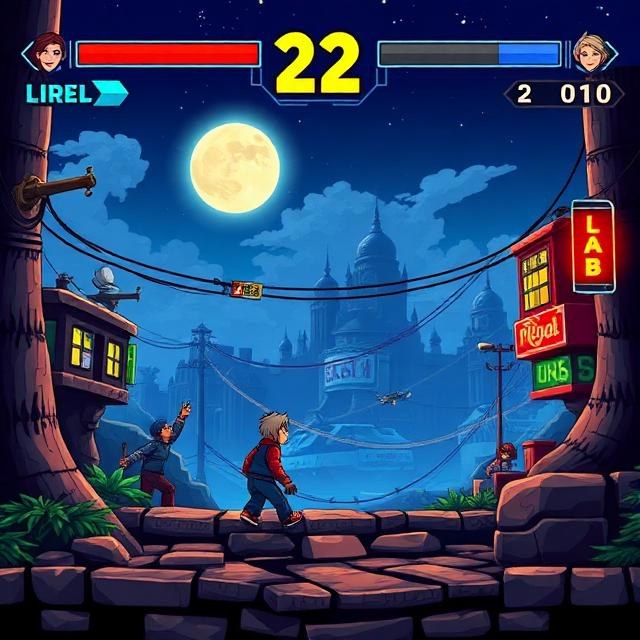
A mystery game where the interface is part of the story.
Signal Hollow makes documents, menus and audio fragments feel like physical evidence. It is slow, strange and far more confident than its quiet opening suggests.
The gallery uses uniform cards instead of unstable masonry. Each image has a controlled crop, fixed aspect ratio and clear caption area, so the layout stays aligned even when images are replaced later.
Open gallery