
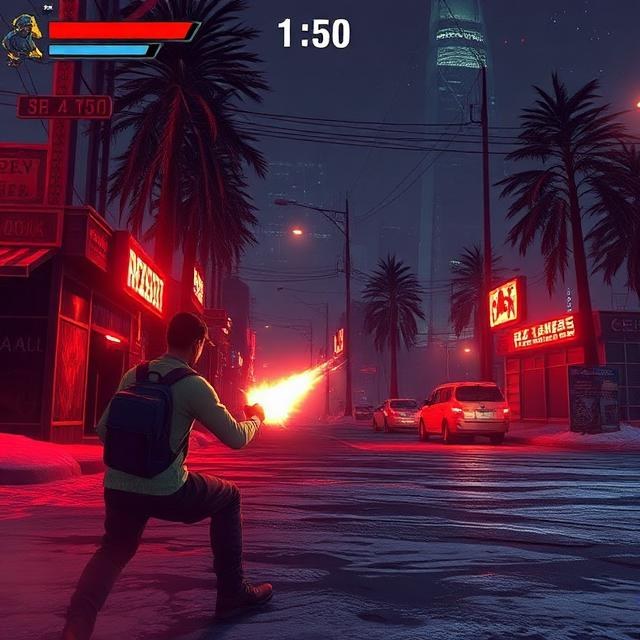
Speed is not the same as momentum
Modern games are terrified of silence. A marker flashes, a companion speaks, an achievement pops, a new objective appears before the last feeling has landed. None of that is automatically bad, but constant motion can flatten memory. When everything is urgent, nothing becomes meaningful.
Slow games work differently. They create room for the player to look, listen and build private associations. A bench near a rainy street. A safe room with one tired lamp. A cliff that becomes a landmark after three failed climbs. These moments stay because the game lets them breathe.
A slower pace can make choices louder
When a game slows down, small decisions become easier to feel. Which road do you take? Do you spend your last resource now or save it? Do you talk to the strange merchant before leaving town? Fast pacing often turns decisions into reactions. Slow pacing lets decisions become mood.
This is why good slow games rarely feel passive. They are full of quiet pressure. The player is not being dragged by spectacle; they are leaning forward because the world feels like it might answer back.
Memory loves empty space
Players remember spaces they had time to understand. They remember the path back to safety, the weird door they could not open, the sound that meant danger was near. These are not always expensive cinematic moments. Often they are simple patterns given enough space to matter.
A slow game fails when it wastes time. A great slow game spends time. Turtle Journal loves that distinction because it explains why some small games feel bigger than blockbusters.